

Many families reach a point where they begin to notice changes in their parents’ health, routine, confidence or ability to manage at home independently. While exploring which type of practical support would be best for their needs is important, understanding how to begin the conversation with a loved one in a way that feels respectful and calm is the very first step. That first discussion matters because it can shape how open elderly parents feel about care options in the future.
It is natural for parents to have worries about losing control, changing their routine, or leaving their own home. For that reason, the conversation should be handled with patience and care. When it is approached thoughtfully, it can become less about taking anything away and more about finding the right support for the next stage of life.
In this blog, we will explore the best way to speak to parents about additional care and support while maintaining their well-being and how the decision to move into a care home in Abingdon can benefit the whole family.
Signs That Suggest Additional Support is Needed
There are often clear signs that an individual may need additional support, even if the conversation about care has not yet been raised directly. This may include struggling with day-to-day tasks such as washing, dressing, preparing meals, or keeping on top of household routines. In some cases, the need for support becomes more visible when someone is living with dementia or complex health needs that make it harder to stay safe and comfortable without regular assistance.
Another clear sign that a care home may be needed is caregiver burnout. When family members are providing care around the clock, they may become emotionally stretched or unable to keep up with everything their loved one needs. In those situations, support from a care home can provide reassurance for both the resident and their loved ones, while ensuring that care is available day and night from people who can respond with care tailored to their every need.
Choosing the Right Moment
A conversation about care is usually best initiated at a quiet moment when parents are not rushed, tired, or already dealing with something stressful. A calm setting gives everyone space to talk properly and reduces the chance that the discussion will feel like a confrontation.
It can also help to begin the conversation before a crisis occurs. Bringing it up earlier gives everyone more time to think, ask questions, express concerns and consider different options at a steady pace.

Starting the Conversation
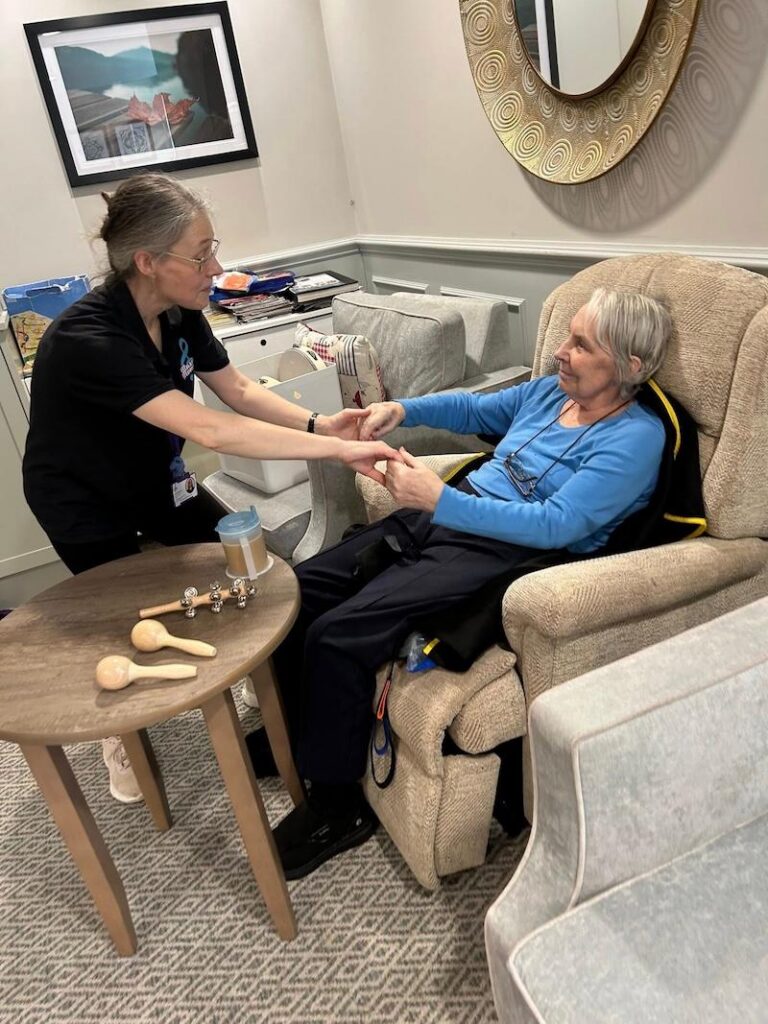
The first conversation does not need to be long or final. For many individuals, it works better to begin gently, using real examples of what has been noticed and why support may now be worth discussing. This may include changes in physical health, memory, mobility, or confidence at home.
It is often better to speak in a way that invites discussion rather than giving instructions. Parents are more likely to respond well when they feel listened to and respected. The aim is not to make a decision immediately, but to open the door to an honest and compassionate conversation.
Listening to Concerns
It is natural for parents to have concerns about moving into a new environment and it is important to address these and help them feel reassured. They may worry about their independence, the cost of care, or whether a care home in Abingdon would feel like the right place for them. Many older adults don't know what care homes offer and how they can maintain their own wellbeing while teams provide tailored care around the clock.
Listening and addressing their concerns allows family members to understand what matters most. For some parents, maintaining their independence is an important priority. For others, the idea of extra support may feel like a positive step. Whatever reaction they have, the conversation should be safe for them to share their feelings rather than trying to rush them into agreement.
Exploring Care Options
Once the conversation has started, it can help to look at care options together. Some families begin with respite care as this can be a great opportunity to experience what life in a care home is like, while others may consider full-time care options such as residential or nursing care, depending on individual needs.
The best way to get an idea of what is around is to search online or collect local brochures and have a look through what comes up. It may also be useful to speak with health professionals or the local authority if there are questions about what type of care is most appropriate, as they can offer a needs assessment. These steps can help families feel more confident when they take the next steps in their care journey, as they know what environment to look for and can decide which facilities or amenities are most important to their parents to guide their decision.
Providing Emotional Support
For many ageing parents, a conversation can raise feelings about ageing, dependence and change. It is important to consider both the practical and emotional side of discussing care, because parents are more likely to feel willing to consider care options when they feel that they are holistically supported.
It can also help to reassure parents that accepting support does not mean losing their place in the family or giving up control altogether. In many cases, care is about making daily life safer and manageable, not taking any independence away. When the conversation is handled with compassion, it can reduce anxiety and create an open environment.
Involving Close Family Members
Sometimes it is helpful for other family members to be part of the conversation, particularly if they share care responsibilities or have noticed changes as well. Having more than one perspective can help parents see that the concern is genuine and not based on one person’s opinion alone.
However, the conversation should not feel overwhelming. Too many voices at once can make it harder for parents to speak openly. A smaller, calmer discussion often works better, especially when the aim is to offer support rather than pressure.



We're Here To Support You at Valerian Court Care Home
At Valerian Court Care Home in Didcot, we understand that conversations about care can be emotional for families and parents alike. We are here to support both you and your loved ones at every stage of your journey to help you feel informed and confident when taking your next steps. Whether you require residential care, nursing care, dementia care, respite care or palliative care, Valerian Court offers a warm and supportive setting where you can continue doing what you love most with as much independence as possible.
Alongside our first-class medical and personal care services, residents have unlimited access to our facilities, including our rooftop garden, café, cinema room, hair salon & treatment room, full activities programme and luxury minivan. They are all purpose-built to support our residents in enjoying the highest quality of life possible while we take care of everything else.
We know that the right care should feel reassuring, not overwhelming. That is why we strive to provide clear communication and a calm environment where individuals can feel safe and understood. To learn more about how we can support you or your loved one at our care home in Didcot, get in touch. We can't wait to meet you.