How Long Does Palliative Care Last?

When a loved one is diagnosed with a life-limiting condition, thoughts often turn to how they will be supported throughout their journey. Palliative care plays a vital role in this support, as it helps people live as comfortably and fully as possible, often for much longer than many expect. Some common questions care seekers have are how long palliative care lasts and whether it only applies to the final days or weeks of life. In reality, palliative care can begin at any stage of an illness and may continue for months or even years, depending on a person’s needs.
Understanding what palliative care involves and how long it lasts can offer reassurance and peace of mind for those exploring care options for themselves or someone they love.
What Does Palliative Mean?
Palliative care is a holistic approach to supporting people living with serious or life-limiting illnesses. Rather than focusing solely on curing their condition, it aims to manage symptoms, enhance comfort and improve quality of life for both the resident and their family. It is delivered by a team of healthcare professionals who work together to provide emotional and practical support.
Care may include treating pain or other physical symptoms such as fatigue or nausea, but it also extends to providing emotional support and ensuring dignity and peace of mind. Palliative care can be offered alongside ongoing treatments, and it supports people throughout their entire journey. The goal is to make life as fulfilling as possible by focusing on what matters most to the individual.
How Long Does Palliative Care Last?
Many people confuse palliative care with end-of-life care, but they are not the same. There is no fixed duration for palliative care because it is based entirely on the person’s circumstances and wishes. It can last for a few weeks, several months, or many years. Some residents receive palliative care soon after being diagnosed with an incurable illness, while others begin receiving it later as their symptoms become more difficult to manage.
For example, residents living with conditions such as heart failure, cancer, or advanced neurological illnesses may benefit from palliative care for an extended period. The care team adapts their support as needs change and is focused on improving their overall quality of life. Palliative care continues for as long as it provides benefit, while offering flexibility and consistent reassurance throughout the journey.

The Holistic Approach of Palliative Care
Palliative care adopts a holistic approach that treats the whole person, not just their medical condition. This includes managing symptoms, supporting emotional well-being, promoting dignity and helping residents make choices about their care preferences if they can. Physical comfort often involves controlling pain through medications or therapies recommended by professionals.
Alongside medical care, equal emphasis is placed on emotional and psychological health. Residents and their families are guided through decision-making to ensure the main priority is what brings residents comfort and purpose in life. The palliative team is always available to discuss concerns and strive to ensure residents and families always feel heard and supported.
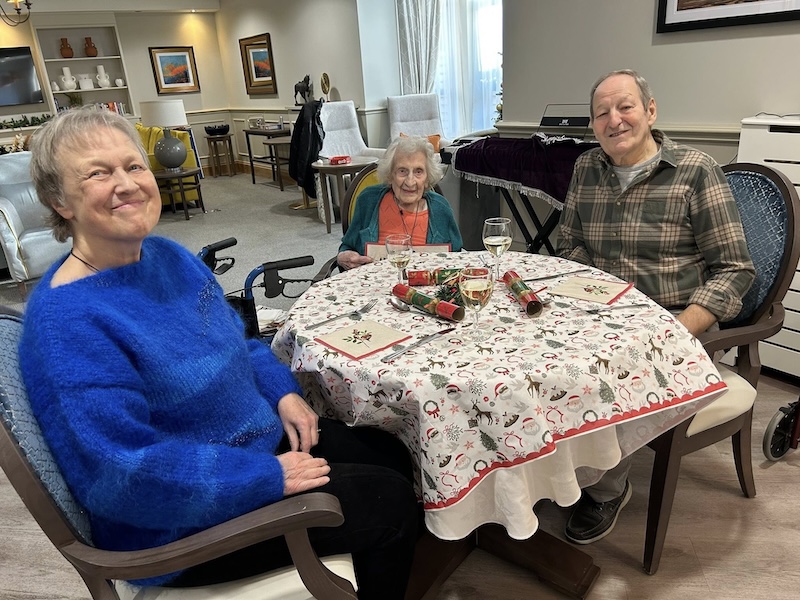
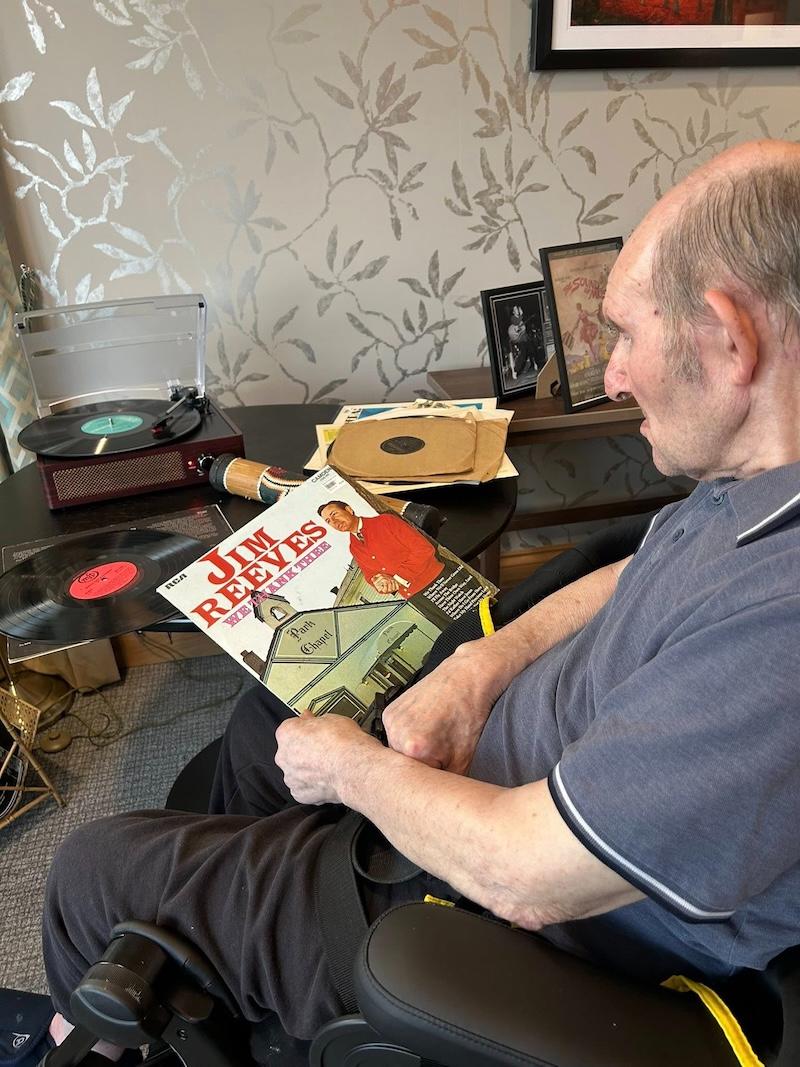
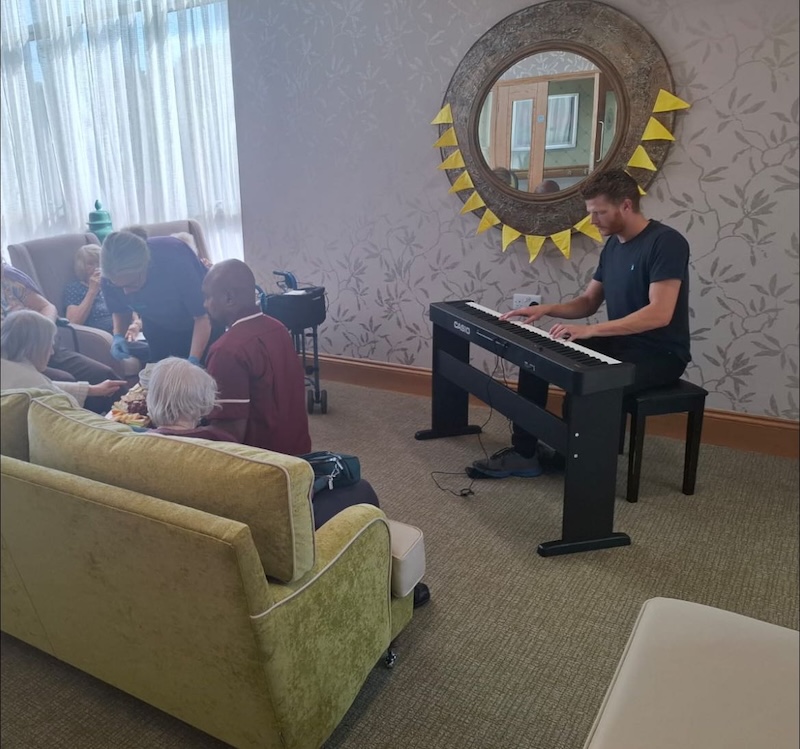
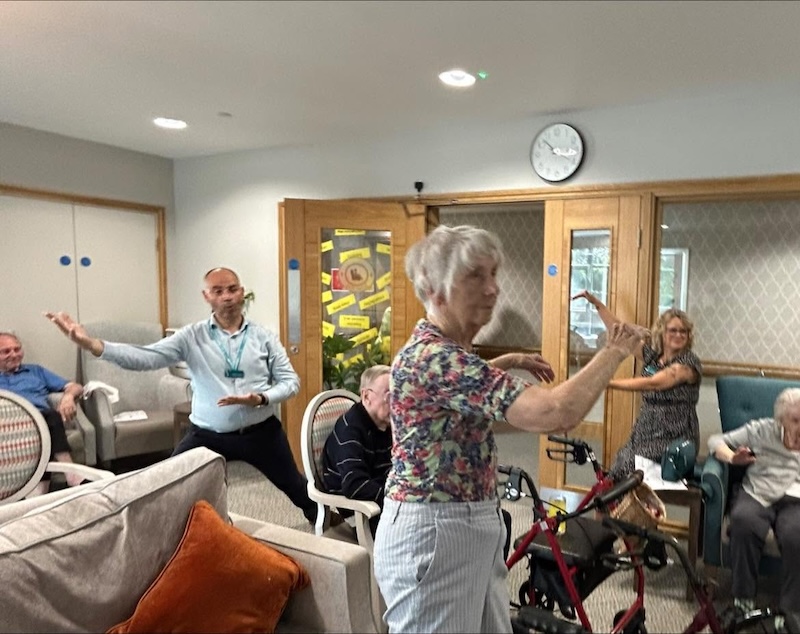
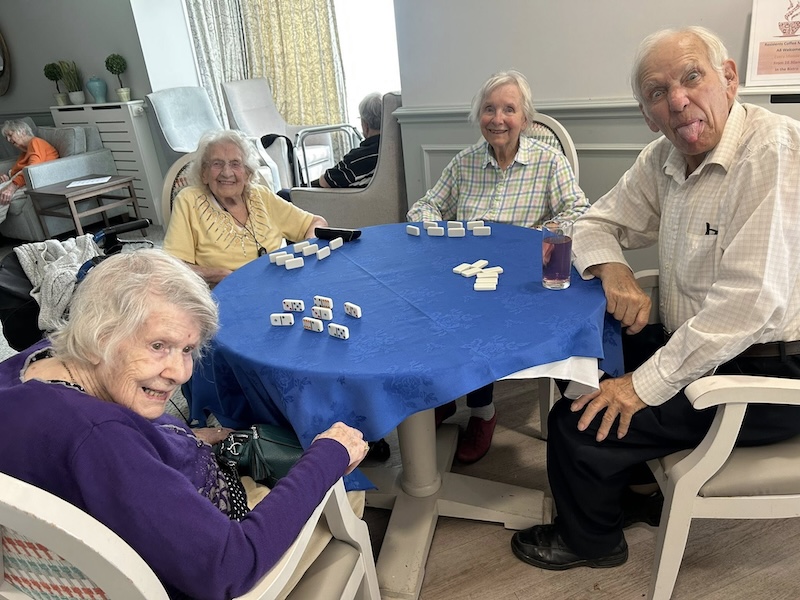
This rounded form of care also helps residents continue to engage in social and recreational activities if they wish. Receiving palliative care in a care or nursing home does not mean that an individual's life is over, they are still going to be supported with continuing the things they love most from the moment they move in.
The Role of the Palliative Care Team
The palliative care team consists of several professionals working together to deliver compassionate, person-centred support. This may include nurses, doctors, social care professionals, carers and sometimes occupational therapists and community nurses. They work collaboratively to manage symptoms and coordinate care services according to each person’s unique situation.
These professionals provide clinical expertise but also focus on building trusting relationships with residents and their families. They ensure that loved ones understand the available options and that the individual receiving care remains at the centre of every decision.
Depending on where someone receives palliative care, whether it is in a care home, hospice care, a hospital, or their own home, the team will differ slightly. However, their focus remains the same.
Adapting Care as Conditions Change
Because palliative care is ongoing, care plans are regularly reviewed and adapted as a person’s condition progresses or stabilises. This flexibility ensures care remains appropriate to the individual’s needs at every stage. For example, medication might be adjusted to treat pain or alleviate other symptoms, or emotional support might increase if the person experiences anxiety or fatigue.
Residents receiving palliative care are also encouraged to express their preferences as their care evolves. This can include how they wish to spend their days, what their favourite meals or activities are and when further medical interventions might no longer be helpful. These ongoing discussions ensure care remains respectful and aligned with individual values.
This evolving approach means that palliative care can last for varying lengths of time. The care plan grows with the person, rather than being bound to specific durations or stages of illness. Families and residents find reassurance in knowing that support remains continuous and reliable, even as circumstances shift.

Emotional Support for Residents and Families
A key part of palliative care is recognising that emotional well-being is as important as physical comfort. Living with a life-limiting condition can bring feelings of uncertainty, worry, or sadness for residents and their families. The care team provides emotional support by listening and ensuring everyone involved feels cared for and understood.
Many care homes also provide family members with access to counsellors or visiting specialists who help them navigate the emotional side of caregiving and decision-making. This level of support helps families feel included and reassured, knowing they are not alone in navigating their feelings. It also allows family members to focus more on spending meaningful time together rather than carrying the weight of decision-making alone.
The Difference Between Palliative and End-of-Life Care
While palliative care focuses on living well with a life-limiting condition, end-of-life care begins when a person is thought to be nearing the final months or weeks of life. Palliative care evolves naturally into end-of-life care when the focus moves fully toward comfort and peace in the final days.
This transition does not mean that new or unfamiliar people take over. The same team of professionals usually continues to provide practical and emotional support to ensure continuity. By this stage, the emphasis is on making sure the resident is comfortable and pain-free while being surrounded by those closest to them.
Recognising that palliative care can last for a significant period before end-of-life care begins helps families understand that it is not about preparing for loss, but about living meaningfully and with as much choice and dignity as possible.
Compassionate Palliative Care at Valerian Court Care Home
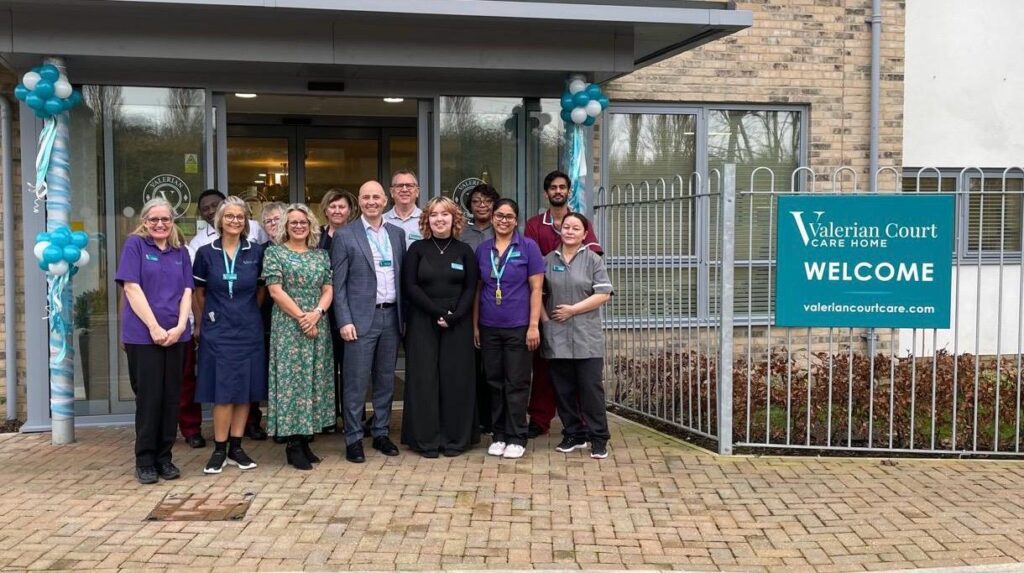
At Valerian Court Care Home in Didcot, our compassionate team takes great pride in delivering high-quality care that supports each resident’s independence and dignity. We believe that care should enhance quality of life for as long as possible and give residents and their families peace and reassurance through every stage of illness.
Our experienced nurses and carers work closely with healthcare professionals to manage pain and provide comfort. We understand that every person’s journey is unique, which is why we tailor our approach to individual preferences and beliefs. Whether care lasts for months or years, residents receive continuous support that truly reflects them and the things they love. We understand the importance of family involvement, so our team also ensure they are kept informed and communicated with every step of the way.
Alongside our first-class palliative care, we are proud to provide residential care, nursing care, dementia care and respite care in a calm and safe environment. No matter what kind of needs our residents are living with, they can rest assured that they will receive a continuum of care in a place they can truly call home.
If you have any other questions about our palliative care services or want to come and see our luxury care home in Oxfordshire for yourself, get in touch and book a tour. We can't wait to welcome you to Valerian Court.